
Take Legal Action
If your landlord does not fix the problems in your home on time, you may be able to take legal action against them.
There are two kinds of legal action:
Asking the court to order your landlord to fix the problem — this is called a Temporary Restraining Order (TRO).
Asking the court to order your landlord to pay you because of the problems — this is called requesting damages.

Temporary Restraining Order (TRO)
If the problem in your home is a threat to your life, health or safety, you can ask the court to order your landlord to fix the problem right away.
These problems are usually considered a threat to life, health, or safety:
Bed bugs, cockroaches, mice, rats, and other insects or vermin
Lack of hot water
Lack of running water
Lack of heat (in October through April)
Dangerous gas piping, appliances, or equipment
Dangerous electrical problems
Lack of electricity (caused by your landlord)
Broken locks (if someone could break into your home because of them)
Broken plumbing or sewage disposal
The roof or walls don’t protect you from the outside elements
Inaccessible fire exits
Lack of working ventilation on a fuel-fired system
Broken elevator (if you have a disability and need the elevator to access your unit)
Anything else that makes you unsafe or is a threat to your health
These problems are usually not considered a threat to life, health, or safety:
[struggling with what to include here - seems like most things could be a threat the health or safety, and don’t want to discourage tenant from filing]
How to File a TRO

1: Write down your story for the court
Use our template to write down some important information about what happened for the court, like: What’s the problem? When did it start? Has your landlord done anything about it? Our template takes about 10 minutes to fill out.
Write an Affidavit

2: Write a motion asking the court for help
Next, use our TRO motion template to ask the court to order your landlord to fix problem. Our template is simple — all you need to do is add basic information, like your name and the date, and sign.
Write a TRO Motion
Serve the affidavit and motion
3. File both documents with the court
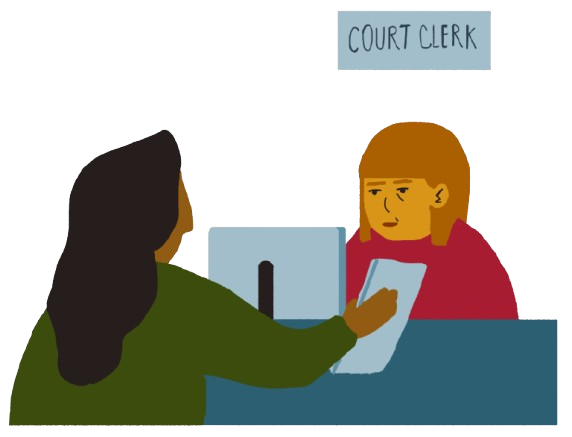
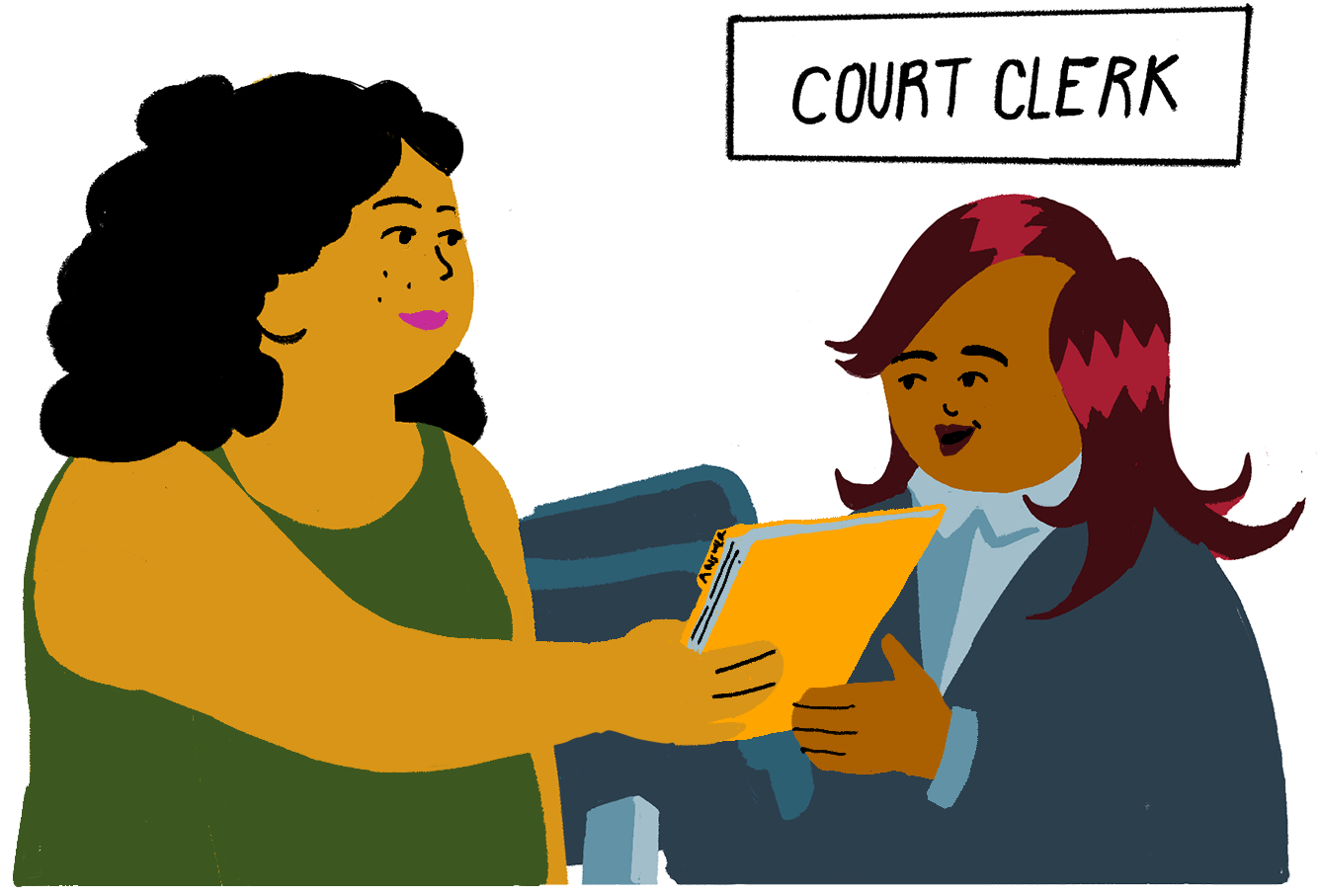
Once you have your documents, you’ll want to bring them to the courthouse to file. You’ll want to file them in your county court (for example, Denver County Court or Adams County Court).

Get your story — and your evidence — ready for the judge
5. Prepare for your hearing
A hearing will be scheduled. At the hearing, you’ll tell the judge your story and ask them to order your landlord to fix the problem. Use our hearing preparation guide to get ready.

File the TRO and affidavit with the court
4. Send copies to your landlord
After you file your documents, you’ll need to send copies to your landlord within X days.

Tell your story to the judge
6. Go to your hearing
XXX
Asking for Damages
SOL
County vs. district
Call a lawyer if a lot of money is on the line; only one bite at the apple
What counts as damages
Explain treble damages
Referrals